Ranking on the first page of Google can mean the difference between steady growth and being overlooked. Behind these search engine successes are SEO specialists, the professionals who understand how search engines work and use proven strategies to improve a website’s visibility.
An SEO specialist is more than just a marketer; they are analysts, strategists, and problem-solvers rolled into one. Whether optimizing a website’s structure, researching keywords, or building backlinks, their role is central to helping brands attract organic traffic and stay ahead of competitors.
This guide will break down who search engine specialist are, what they do daily, the skills they need, and why they play such an important role in today’s digital landscape.
What is an SEO Specialist?
An SEO specialist is a digital marketing professional who focuses on improving a website’s visibility in search engines like Google, Bing, or Yahoo. Their ultimate goal is to help a website rank higher for relevant search queries, attract organic traffic, and generate leads or conversions without relying solely on paid advertising.
Unlike general marketers, SEO specialists are highly focused on understanding search engine algorithms, user behavior, and technical site performance. They bridge the gap between technical expertise, content strategy, and user experience to create sustainable long-term growth for businesses online.
In simple terms, an SEO specialist ensures that when users search for products, services, or information relevant to a business, that business appears front and center in the search results.
Roles and Responsibilities of an SEO Specialist
An SEO specialist plays a dual role: shaping the long-term strategy for organic growth and handling the execution of day-to-day tasks. Beyond technical know-how, they act as a bridge between content, design, and development teams to ensure SEO goals align with business objectives.
Here are the roles and responsibilities of an SEO Specialist:
Strategic Roles
Setting SEO Goals: Defining KPIs such as organic traffic, keyword rankings, and conversions.
Developing Roadmaps: Creating long-term plans for content creation, link building, and technical improvements.
Adapting to Algorithms: Staying updated with Google’s changes to adjust strategies accordingly.
Competitor Benchmarking: Analyzing competitors’ SEO strengths and identifying opportunities.
Execution Roles
Keyword Research: Finding high-value and intent-driven keywords.
On-Page Optimization: Updating titles, meta tags, headers, and content.
Technical SEO Fixes: Handling crawl errors, page speed, structured data, and site architecture.
Backlink Outreach: Building relationships with authoritative websites to secure quality links.
Monitoring & Reporting: Tracking rankings, analytics, and ROI through SEO tools.
Collaboration with Other Teams
Content Teams: Working with writers to create keyword-optimized, user-friendly, and authoritative content.
Design Teams: Ensuring UX/UI supports SEO goals with mobile-friendly and accessible layouts.
Development Teams: Collaborating on technical fixes like site speed, schema markup, or crawlability.
Marketing Teams: Coordinating SEO efforts with paid ads, social media, and overall brand messaging.
An SEO specialist is not a siloed role, it’s cross-functional, requiring both strategic vision and hands-on execution while collaborating with multiple departments to drive sustainable organic growth.
Core Areas of SEO Specialists
Keyword Research
Keyword research is the foundation of every successful SEO strategy. It helps SEO specialists identify what people are searching for, why they’re searching, and how to position content to meet those needs.
Finding High-Value Keywords:
Volume + Difficulty Balance: Targeting keywords with good search volume but manageable competition.
Long-Tail Keywords: Focusing on longer, more specific queries that often have higher conversion potential.
Business Relevance: Choosing keywords that align directly with the company’s products, services, or niche.
Understanding Search Intent
Informational: Queries where users seek knowledge (e.g., “What is technical SEO?”).
Navigational: Queries where users look for a specific website or brand (e.g., “Ahrefs login”).
Transactional: Queries where users are ready to take action, such as purchase or sign up (e.g., “buy SEO audit tool”).
Commercial Investigation: Middle stage where users compare options before deciding (e.g., “best SEO software 2025”).
By matching content with the correct search intent, SEO specialists increase engagement, dwell time, and conversions.
Tools Used for Keyword Research
Google Keyword Planner – Great for search volume and CPC data.
SEMrush / Ahrefs – Powerful for competitor keyword analysis.
Ubersuggest – Beginner-friendly option for keyword ideas.
AnswerThePublic – Helps visualize questions and conversational queries.
Google Trends – Tracks rising topics and seasonal interest.
Keyword research is not a one-time task but a continuous process, as search behavior and competition constantly evolve.
On-Page Optimization
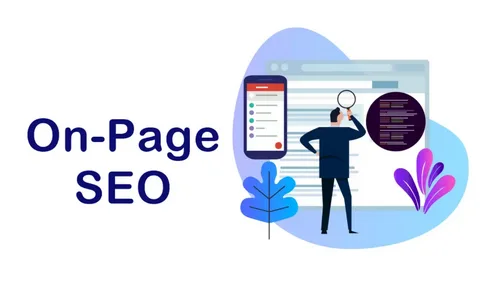
On-page optimization covers all SEO efforts made within your website pages to improve visibility, user experience, and search engine rankings. It ensures your content is well-structured, accessible, and optimized for both users and crawlers.
Key On-Page Optimization Tasks:
Meta Tags Optimization – Optimizing title tags and meta descriptions with targeted keywords, compelling language, and proper length to attract clicks and improve relevance in SERPs.
URL Structure – Creating short, descriptive, and keyword-friendly URLs that clearly indicate the page topic while avoiding unnecessary parameters or clutter.
Heading Structure (H1–H6) – Using a clear hierarchy of headings, where the H1 represents the main topic and H2–H6 support subtopics, making content easy to scan and understand for both users and search engines.
Keyword Placement & Density – Strategically placing primary and secondary keywords in the title, first paragraph, headings, and throughout content while maintaining natural flow and avoiding over-optimization.
Content Organization – Structuring content for readability with short paragraphs, logical flow, and supportive elements like bullet points, lists, and bold highlights to improve engagement.
Image Optimization – Using descriptive file names, adding keyword-rich alt text, compressing images for faster load times, and ensuring visuals enhance the user experience.
Video Optimization – Embedding videos with proper schema markup, optimized titles, thumbnails, and captions/transcripts to improve accessibility and visibility in search.
Internal Linking – Linking related pages together using descriptive anchor text, creating content silos, and guiding users deeper into your website for improved navigation and SEO value.
External Linking – Citing authoritative and relevant sources with external links, ensuring they open in new tabs and add credibility to your content.
Readability & User Experience – Writing in clear, concise language with short sentences, responsive formatting, mobile-friendly layouts, and engaging multimedia to maximize dwell time.
Schema Markup (Structured Data) – Implementing schema for articles, reviews, FAQs, or products so search engines better understand your content and display rich results.
Page Speed Optimization (On-Page Factors) – Reducing image sizes, compressing files, and minimizing code to improve page loading times and enhance overall user experience.
Mobile Optimization – Ensuring pages are fully responsive, with properly scaled text, easy navigation, and no intrusive pop-ups that hurt mobile usability.
Crawlability Enhancements – Using canonical tags, fixing duplicate content issues, and ensuring all important pages are accessible to search engines through optimized internal linking.
User Engagement Signals – Incorporating strong calls-to-action (CTAs), encouraging shares, comments, and interactions to boost engagement and send positive signals to search engines.
Off-page optimization includes all SEO strategies performed outside your website to boost its authority, credibility, and visibility. It focuses on building trust signals that search engines use to evaluate your site’s relevance and reputation. Building high-quality backlinks from reputable sources is crucial to enhancing a website’s authority and trustworthiness in the eyes of search engines.
Key Off-Page Optimization Tasks:
Backlink Building – Acquiring high-quality, relevant backlinks from authoritative websites to increase domain authority and improve rankings.
Guest Posting – Writing and publishing articles on reputable sites within your industry to earn backlinks, expand brand reach, and build authority.
Social Media Engagement – Promoting content across social platforms to drive traffic, boost visibility, and indirectly influence SEO through engagement signals.
Influencer Outreach – Collaborating with influencers, bloggers, or industry leaders to earn mentions, backlinks, and broader exposure.
Brand Mentions (With or Without Links) – Gaining mentions of your brand across the web, even without a direct link, as search engines still consider them as trust signals.
Directory & Local Listings – Submitting your business to online directories (like Yelp, Yellow Pages, or niche directories) and optimizing local citations for consistency.
Local SEO (Google Business Profile Optimization) – Setting up and optimizing Google Business Profile (formerly Google My Business) with accurate details, reviews, and regular updates.
Content Marketing (Off-Site) – Publishing content such as infographics, videos, podcasts, or case studies on third-party platforms to drive referral traffic and backlinks.
Forum & Community Participation – Actively engaging in relevant forums, Q&A sites (like Quora, Reddit), and online communities to establish authority and earn natural mentions.
Press Releases & Digital PR – Distributing well-structured press releases or collaborating with journalists to gain backlinks and media coverage.
Broken Link Building – Identifying broken links on external sites and suggesting your relevant content as a replacement to earn new backlinks.
Content Syndication – Republishing content on trusted platforms (like Medium, LinkedIn, or niche sites) with proper canonical tags to expand reach and visibility.
Review & Reputation Management – Encouraging positive reviews, responding to feedback, and managing brand reputation across platforms like Trustpilot, Yelp, and Google Reviews.
Podcast Guesting & Interviews – Appearing on industry-related podcasts or interviews to build authority, earn backlinks, and reach new audiences.
Competitor Backlink Analysis – Studying competitors’ backlink profiles using tools like Ahrefs, SEMrush, or Moz to find new link-building opportunities.
Technical SEO ensures that a website is crawlable, indexable, fast, and user-friendly, providing the foundation for search engines to properly understand and rank your content. It focuses on backend and infrastructure improvements that directly impact performance and visibility.
Key Technical SEO Tasks:
Website Crawling & Indexing – Ensuring search engines can crawl and index all important pages using robots.txt, XML sitemaps, and Google Search Console.
Site Architecture & URL Structure – Designing a logical hierarchy with clean, descriptive, SEO-friendly URLs for better navigation and indexing.
Mobile Optimization – Making websites responsive and mobile-friendly, as Google uses mobile-first indexing to determine rankings.
Page Speed Optimization – Enhancing loading speed through image compression, caching, minification of CSS/JS, and using a reliable hosting service.
HTTPS & Website Security – Securing websites with SSL certificates (HTTPS) to protect users and boost trustworthiness.
Structured Data & Schema Markup – Adding schema markup to help search engines understand content context and display rich results like reviews, FAQs, and ratings.
Core Web Vitals Optimization – Improving Largest Contentful Paint (LCP), First Input Delay (FID), and Cumulative Layout Shift (CLS) for a smooth user experience.
Canonicalization – Using canonical tags to avoid duplicate content issues and guide search engines to the preferred version of a page.
XML Sitemap Optimization – Keeping sitemaps updated, clean, and submitted to search engines for proper crawling.
Robots.txt Management – Configuring robots.txt to allow/disallow crawlers from accessing certain parts of the site strategically.
Internal Linking for Crawl Efficiency – Building smart internal linking structures to distribute link equity and help crawlers discover deeper pages.
Fixing Crawl Errors & Broken Links – Identifying and resolving 404 errors, redirect loops, or orphan pages that hinder SEO performance.
Redirect Management (301/302) – Implementing proper redirects to maintain SEO equity when moving or restructuring pages.
Multilingual & International SEO (hreflang Tags) – Using hreflang tags for websites targeting multiple languages or regions to avoid duplicate content and ensure correct geo-targeting.
AMP (Accelerated Mobile Pages) [Optional] – Implementing AMP for faster mobile experiences when necessary (though less critical today than before).
Log File Analysis – Analyzing server log files to understand how search engine crawlers interact with your site and uncover crawl inefficiencies.
An seo specialist job description requires a balance of analysis, optimization, and monitoring. These tasks ensure websites stay competitive, user-friendly, and aligned with ever-changing search engine algorithms.
Performance Analysis
Using tools like Google Analytics 4 (GA4), Google Search Console (GSC), Ahrefs, and SEMrush, SEO specialists track traffic, user behavior, conversions, and technical issues. This helps identify opportunities for improvement.
Daily checks on keyword rankings help measure progress, spot sudden drops, and adjust strategies. Specialists ensure their target keywords maintain or improve visibility on SERPs.
Content Creation
SEO specialists either create new content or refine existing pages by improving keyword placement, readability, headings, internal linking, and multimedia optimization. This ensures content meets both user intent and SEO best practices.
Competitor Analysis
Monitoring competitor websites provides insights into their backlink profiles, keyword targets, and content strategies. Benchmarking against competitors helps refine strategies and uncover growth opportunities.
Keeping Up with Algorithm Updates
SEO is constantly evolving. Specialists stay updated on Google algorithm changes, industry trends, and SEO innovations through blogs, forums, and official announcements. They adjust strategies accordingly to avoid penalties and maintain visibility.
Skills Required to Become an SEO Specialist
To succeed as an SEO specialist, one must possess a blend of technical expertise, analytical thinking, and communication abilities. SEO is no longer about just keywords, it’s about understanding users, data, and digital strategies as a whole.
Tool Proficiency
SEO specialists must be adept at using tools like Google Analytics 4, Google Search Console, Ahrefs, SEMrush, Screaming Frog, and Surfer SEO. These tools provide insights into performance, technical health, keyword data, and competitor analysis.
Analytical Prowess
Data-driven decision-making is at the core of SEO. Specialists should interpret traffic trends, conversion rates, CTR, dwell time, and ranking shifts, then turn these insights into actionable strategies.
Communication Skills
Since SEO involves collaboration with content writers, developers, designers, and clients, strong communication is essential. Specialists must clearly explain technical concepts and provide easy-to-follow recommendations.
Technical Knowledge
From crawlability and indexation to site speed, structured data, and mobile optimization, technical SEO knowledge is critical. A good SEO specialist understands how search engines read websites and can resolve technical bottlenecks.
Adaptability
Search engines frequently update their algorithms. An SEO specialist must remain adaptable, learning continuously and adjusting strategies quickly to maintain visibility in dynamic search landscapes.
Career Insights
Is SEO Specialist a Good Job?
SEO has evolved into one of the most in-demand careers in digital marketing. As businesses increasingly rely on organic visibility to attract customers, SEO specialists find themselves at the center of digital strategy.
Job Demand and Growth Prospects
The demand for SEO specialists is growing globally, with businesses of all sizes, startups, eCommerce brands, agencies, and enterprises, seeking SEO expertise to gain a competitive edge. Reports consistently show SEO roles ranking among the top digital marketing careers.
Challenges SEO Specialists Face
While SEO offers exciting opportunities, specialists also deal with ongoing challenges:
Algorithm Unpredictability – Search engines roll out frequent updates, sometimes drastically affecting rankings overnight.
Competition for Keywords – Popular industries have high keyword competition, requiring creative strategies to secure rankings.
Balancing User Experience with Optimization – Focusing too much on technical SEO can hurt UX, while prioritizing UX without SEO can limit visibility. Specialists must strike a balance.
Constant Learning and Updating Skills – SEO is dynamic, specialists must keep up with new tools, trends, and ranking signals to stay relevant.
Future of SEO Specialists
The SEO profession is evolving with technology and changing user behavior.
AI and SEO Automation – AI-powered tools are streamlining keyword research, content optimization, and technical audits, allowing specialists to focus on strategy.
Voice Search Optimization – With the rise of smart assistants, optimizing for natural language queries and conversational keywords is becoming critical.
Growing Importance of E-E-A-T – Google emphasizes Experience, Expertise, Authoritativeness, and Trustworthiness, pushing SEO specialists to focus on credibility and content quality.
Integration with Digital Marketing Strategies – SEO is no longer siloed, it integrates with content marketing, social media, paid ads, and PR, making SEO specialists key players in holistic digital growth.
Conclusion
Becoming an SEO specialist is more than just learning keywords and backlinks; it’s about shaping how businesses are discovered online. With the right skills, tools, and mindset, SEO specialists can drive real growth, visibility, and credibility for any brand.
Whether you aim to work in an agency, climb the corporate ladder, or build a freelance career, SEO offers endless opportunities in today’s digital-first world.
👉 Ready to start your SEO journey? Begin mastering the fundamentals today, and position yourself as the go-to expert in one of the most in-demand digital careers.